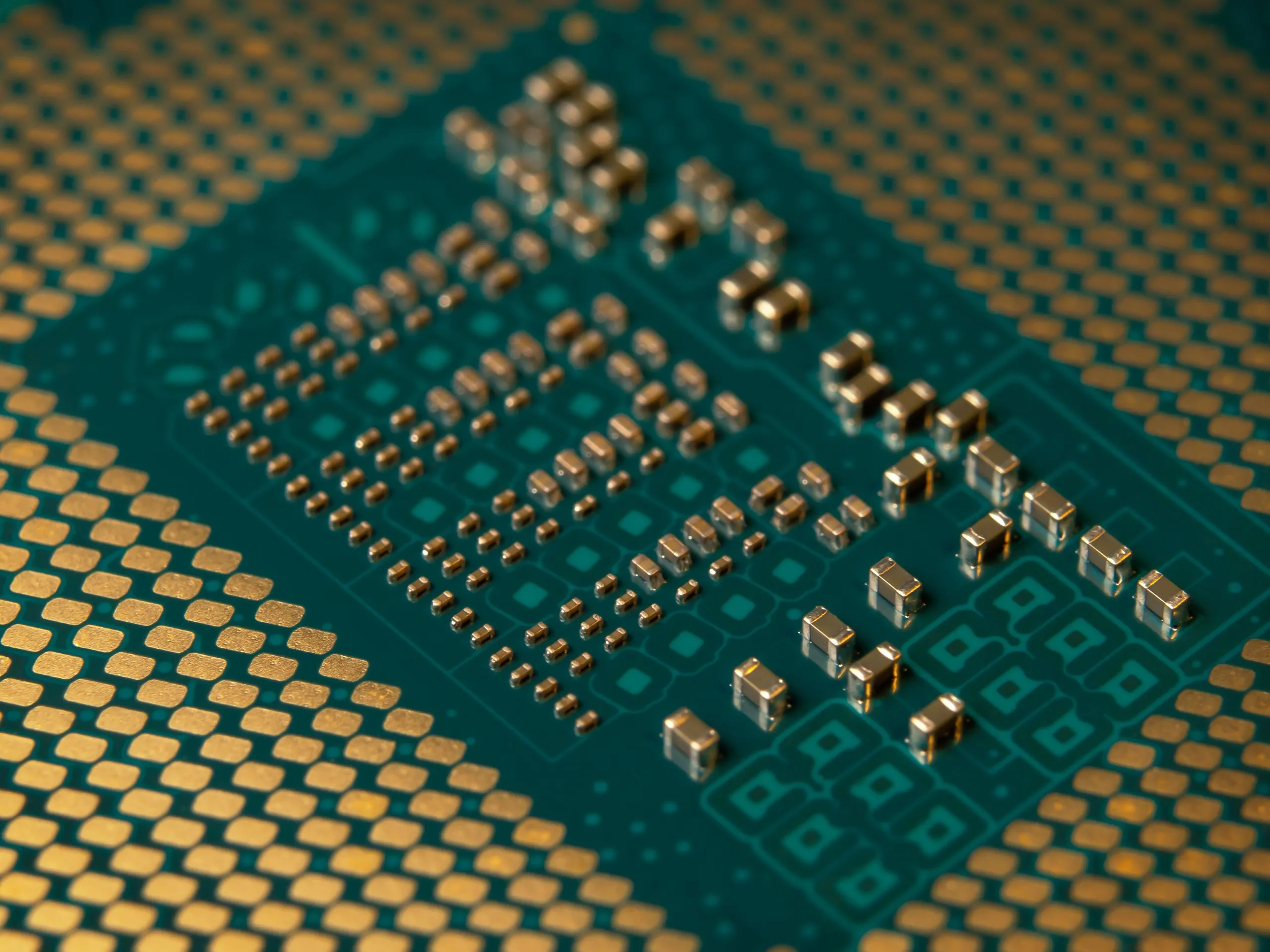
AI Chip Packaging (2026): The Hidden Bottleneck Behind the AI Boom
The race to build AI infrastructure is pouring billions of dollars into a part of the chip business that most people have never heard of. AI chip packaging, the advanced process of joining many small chips into a single powerful processor, has quietly become a critical bottleneck for the world’s most powerful hardware, and the companies that control it are suddenly at the centre of the AI boom.
What Is AI Chip Packaging?
Packaging is what turns a silicon chip into a working product. In advanced AI chip packaging, several specialised dies, including computing cores and high-bandwidth memory, are connected together on a silicon interposer and sealed into one package, so they behave like a single giant chip. The technique, known as chip-on-wafer-on-substrate, or CoWoS, matters because it is becoming harder and more expensive to keep shrinking transistors; combining many smaller chips is now the practical way to keep performance climbing.
The result is that packaging, once the least glamorous step in making a chip, now decides how fast the most advanced AI processors can be built. Without enough packaging capacity, even the best-designed AI chip cannot ship, and AI chip packaging capacity has become one of the most sought-after resources in the semiconductor industry.
TSMC’s Lead in AI Chip Packaging
TSMC dominates the most sophisticated packaging, and its CoWoS process is widely used by Nvidia, AMD and Broadcom, as well as by cloud companies building their own AI chips. That dominance gives the Taiwanese foundry unusual leverage: it makes both the chips and the packaging that turns them into AI accelerators, and demand for its advanced packaging is outrunning supply.
Nvidia, the biggest buyer of all, is now putting money behind the problem. The company is providing billions of dollars in financing to expand CoWoS capacity at SPIL, or Siliconware Precision Industries, a unit of the packaging group ASE. For Nvidia, the investment is about making sure its own AI chips can keep shipping; for the industry, it is a sign that packaging has become too important to leave to the market alone.
Why AI Chip Packaging Is a Bottleneck
The numbers explain the urgency. Advanced packaging revenue is forecast to overtake traditional packaging revenue for the first time in 2026, according to the research firm Yole Group, with capital spending on advanced packaging close to $28 billion. Those are forecasts, not facts, but they show an industry pouring money into a part of the supply chain that was an afterthought a decade ago.
The stakes are rising because chips themselves are becoming more complex. Some graphics processors and central processors now integrate 10 or more chips, and sometimes as many as 20, according to industry reporting. Pat Gelsinger, the former chief executive of Intel, has estimated that packaging could eventually account for as much as half of a chip product’s value. If he is right, the factories that package chips will matter as much as the factories that print them.
The Next Moves in AI Chip Packaging
Rivals and suppliers are moving to close the gap. Powertech, known as PTI, plans a $400 million advanced packaging joint venture with Broadcom in Singapore, with production possibly starting from 2028. Other packaging companies, and the chipmakers themselves, are adding capacity wherever they can, and governments are watching closely as advanced packaging joins chipmaking on the list of strategic industries.
The same AI demand is squeezing the rest of the supply chain too. We recently reported how rising memory chip prices could make cheap phones 30 percent pricier, as AI data centres absorb the memory that would have gone into handsets, and we covered Qualcomm’s move into data-center chips as chipmakers chase AI demand. AI chip packaging is the next link in that chain, and the bottleneck is now visible to everyone watching the AI race.
The boom will not last forever, and packaging capacity being built today will eventually catch up with demand. For now, though, the contest for AI chip packaging is a contest for the pace of AI itself: whoever controls the packaging decides how quickly the world’s most powerful processors reach the data centres that need them. For the full Reuters account, see the report on how the AI boom turned chip packaging into the next battleground.