Nothing AI Device (2026): The Screen-Free AI Tool Shipping in December
The Nothing AI device is real, and it is coming sooner than many expected. Nothing CEO Carl Pei confirmed on November 4, 2026, that the company’s first AI-native product will ship in December 2026, and it will not have a screen at all. The announcement, made in an essay titled “Toolmakers” posted on X, gives the London-based company a firm place in the fast-growing race to build artificial intelligence hardware that lives beyond the smartphone.
Pei’s message was short, but it was unusually direct for a product that has no name yet. “Our first AI-native product ships next month. It’s a tool, but one built with the personality and care that have come to define a Nothing product. It has no new screen, and it couldn’t have been an app.” That single paragraph is, for now, the most authoritative description of the Nothing AI device anywhere. Nothing has not published a product name, a price, technical specifications, a form factor, or an exact shipping date.
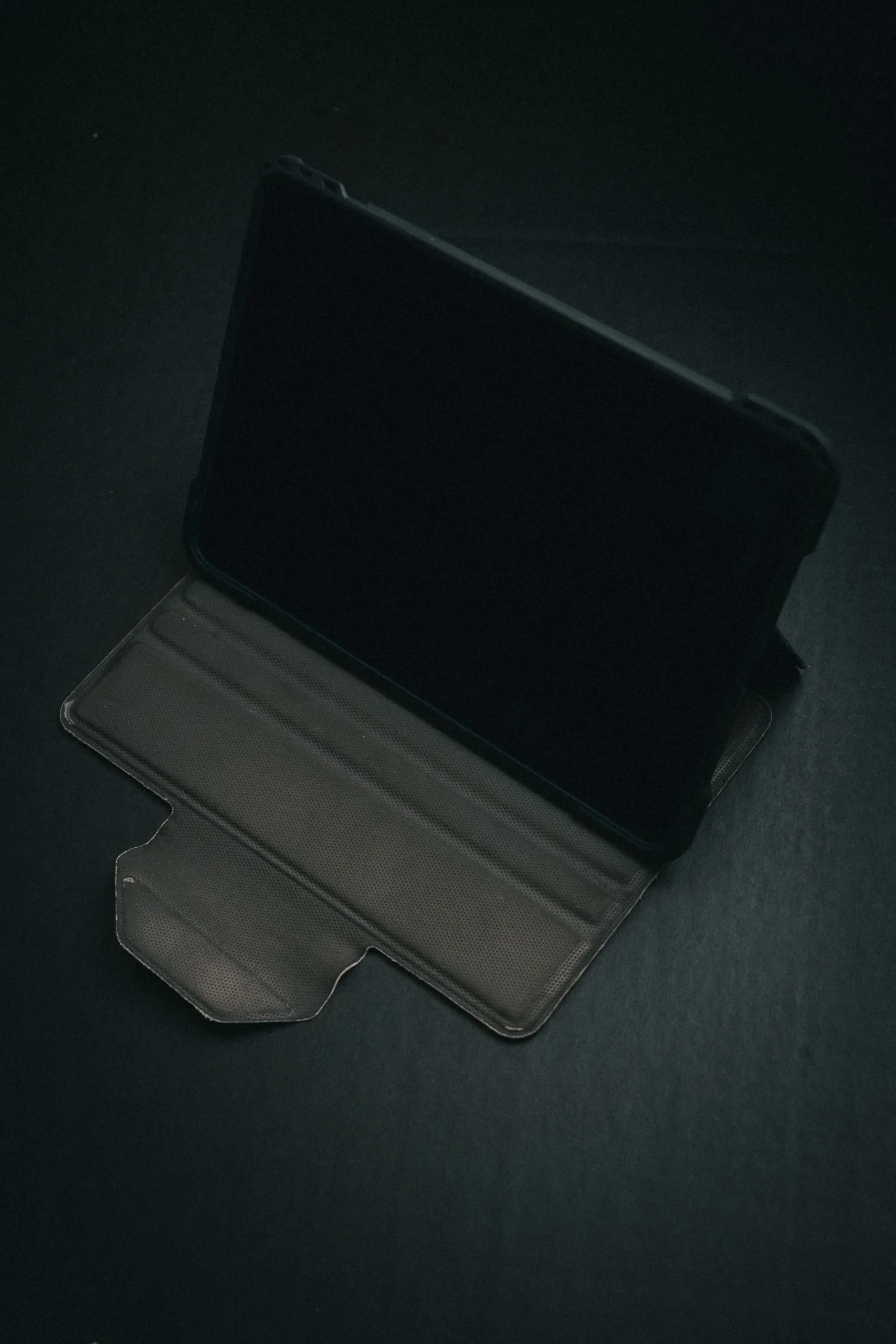
What Nothing has shown is a teaser image of a matte dark object with rounded corners, labelled only “Coming Soon”. It reveals almost nothing about the shape of the finished product, and that appears to be deliberate. Pei described the device as a productivity tool and as standalone hardware, not an app. In other words, the Nothing AI device is not a new feature for the Nothing Phone, and it is not a software update dressed up as a launch. It is a separate product, built from the ground up around AI.
What the Nothing AI device is — and what it is not
The facts confirmed so far are narrow, and they are worth stating plainly. The Nothing AI device is the company’s first AI-native product. It is a productivity tool. It is standalone hardware. The Nothing AI device ships in December 2026. It has no new screen, and it could not have been an app. That is the full list of what Nothing has officially confirmed.
Equally important is what has not been announced. Nothing has not said what the Nothing AI device is called, how much it will cost, what processor or battery it uses, how large it is, how it is charged, or which day in December it will reach buyers. It has not said whether the device works on its own or alongside a phone, and it has not described its microphones, speakers, buttons, or any other controls. Until Nothing publishes those details, any description that goes further is guesswork, not reporting.
That restraint is notable in a market where AI gadgets are often announced with sweeping promises. Pei’s framing is narrower and more practical: a tool, not a revolution. The word “tool” suggests something designed to do a job quietly and well, and the reference to Nothing’s personality and care suggests the design language the company is known for — transparent details, clean hardware, and a distinctive look — will carry over to the Nothing AI device, even without a display.
The speculation around the Nothing AI device
Since Pei’s post, online discussion has filled the gaps with ideas of its own, and one of them has travelled furthest: the suggestion that the device could be an ambient recorder, a gadget that listens to meetings and conversations and turns them into notes. That idea is speculation only. Nothing has not said the Nothing AI device records audio, transcribes anything, or is worn or carried in any particular way, and it should not be reported as fact.
Speculation is understandable. The Nothing AI device, a screen-free, AI-native productivity tool, invites questions about how a user talks to it, what it remembers, and where its processing happens. But those questions are still unanswered, and the answers matter. A recorder that stores conversations raises very different questions about privacy, consent, and battery life than a device that simply answers questions or manages a calendar. Until Nothing explains the interaction model, the safest description remains the one Pei gave: a screen-free productivity tool with no new screen.
Why Nothing is betting on a screen-free AI tool
The timing is no accident. In 2026, AI has moved from a feature inside apps to a selling point for the hardware itself. As we explored in our look at why the AI chip is becoming your next laptop’s best feature, manufacturers are now building devices around on-device AI, faster neural processing, and assistants that work without a constant connection to the cloud. With the Nothing AI device, Nothing is taking that logic one step further by removing the screen entirely.
There is also a clear design argument for doing so. Screens demand attention, and a device without one cannot compete with a phone for it. If the Nothing AI device succeeds, it will be because it saves time or effort in a specific task, not because it offers another feed to scroll. That is a harder promise to keep than a spec sheet, and it explains why Pei chose to describe the product as a tool rather than as a platform or an ecosystem.
The challenge is equally clear. Earlier screen-free AI gadgets have struggled when they could not do enough, quickly enough, to justify carrying another device. Nothing will need to show, in December, exactly what its product does better than a phone app — the very comparison Pei ruled out — and why its dedicated hardware is the right way to do it. The one-month gap between announcement and shipping leaves little room for a long teasing campaign. Expect more details about the Nothing AI device, including the name and price, to appear close to the launch itself.
What to watch before the December launch
For now, the story is straightforward: a well-known design-led brand has committed, in public and in writing, to shipping its first AI-native hardware product in December 2026, without a screen. That commitment to the Nothing AI device is concrete, and the reporting around it, including The Verge’s report on Pei’s announcement, agrees on the same points: a December ship date, a productivity focus, and no new screen. Screen-free hardware is not entirely new — wearables such as the Galaxy Ring, which tracks sleep and health without a display, show that useful devices can live without one — but a general-purpose AI productivity tool is a different test.
Nothing has built its reputation on doing a small number of things with unusual attention to detail. The Nothing AI device will be judged the same way: not on the number of features it promises, but on whether the one job it is built for works well enough to earn a place in a pocket or on a desk. We will update this story as soon as Nothing confirms the Nothing AI device’s name, price, specifications, and exact launch date.